The Charm of Imperfection: The Illustrated World of Claudia Fasser
You rediscovered drawing in 2020: was there a specific moment when you realized it was a true change of direction?
Like many people, I drew as a child and then only occasionally. In 2020, during the pandemic, my family—split between Italy, the Netherlands, and France—started a project called One a Day: every day we exchanged a drawing. In those months, I discovered how much I loved drawing and I continued consistently. When I realized I had enough material to build a portfolio, I understood that this passion could become something more.
How much has living in Rotterdam for so many years influenced your way of seeing and representing the world? Do you feel changed in your gaze as well, besides your style?
I have lived in the Netherlands since I was eighteen, and most of my adult life has unfolded here. From Italy, I carry references that continue to accompany me: Disney classics, my grandfather’s watercolors, the books of Richard Scarry and Tony Wolf. Moving to Rotterdam and building friendships with people from different cultures enriched me deeply. I continue to let myself be influenced by the places, books, movies, and exhibitions I encounter. Rather than changed, I feel that I have grown.
In your work, there is a strong link to raw matter and the imperfection of the line: what does traditional drawing give you that digital cannot replicate?
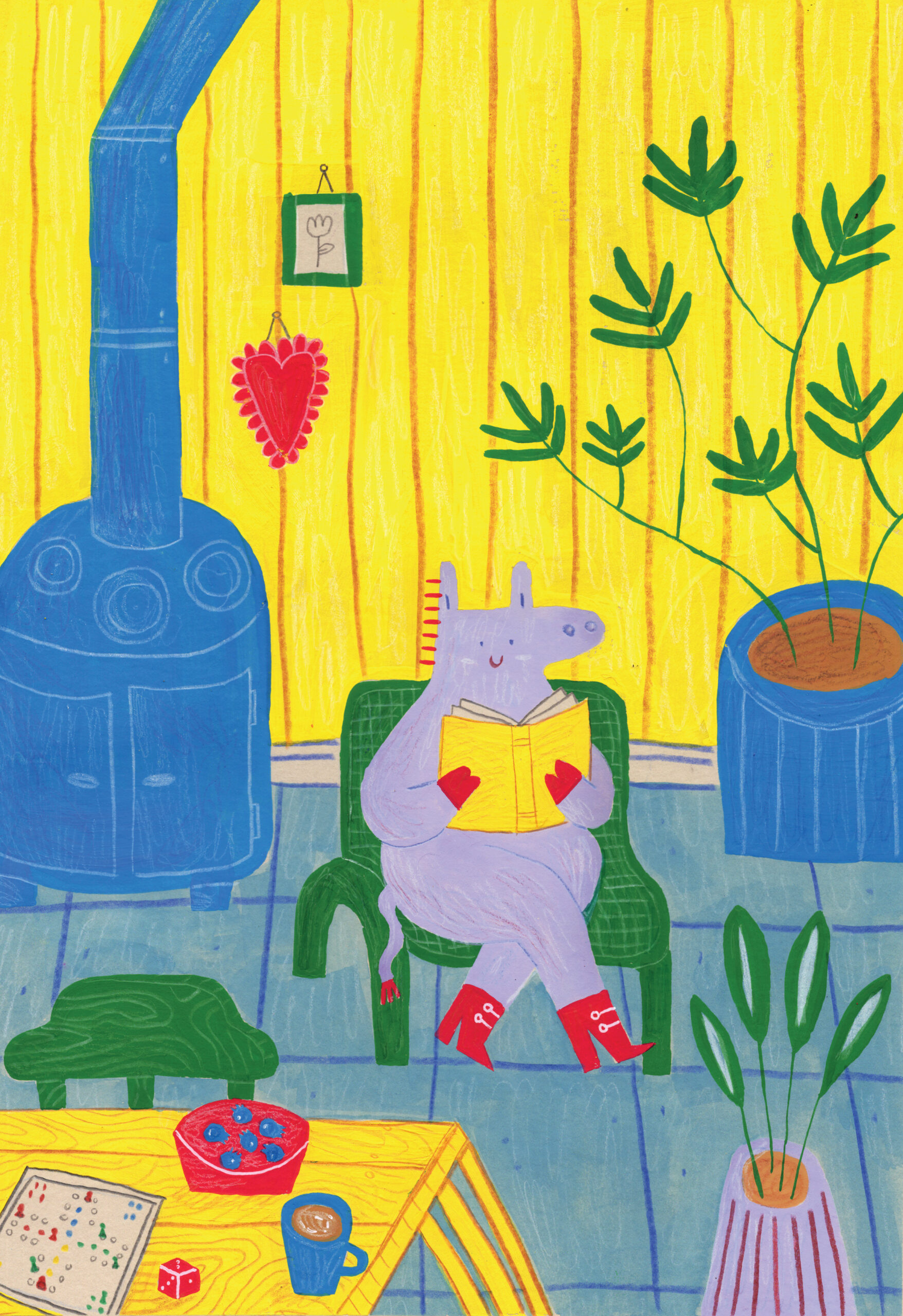
I work both ways and recognize all the possibilities of digital. But the process is different. Drawing traditionally engages the senses: materials have colors, textures, and scents that are part of the creative experience. Furthermore, they leave traces in the final result. Textures, smudges, and small imperfections tell the story of a person drawing. The direct relationship with materials is fundamental in the search for my identity as an illustrator, and it helps me maintain a personal voice even when I work digitally.
You often draw characters and creatures: are they a form of escapism, a narrative, or a way to explore parts of yourself that are changing?
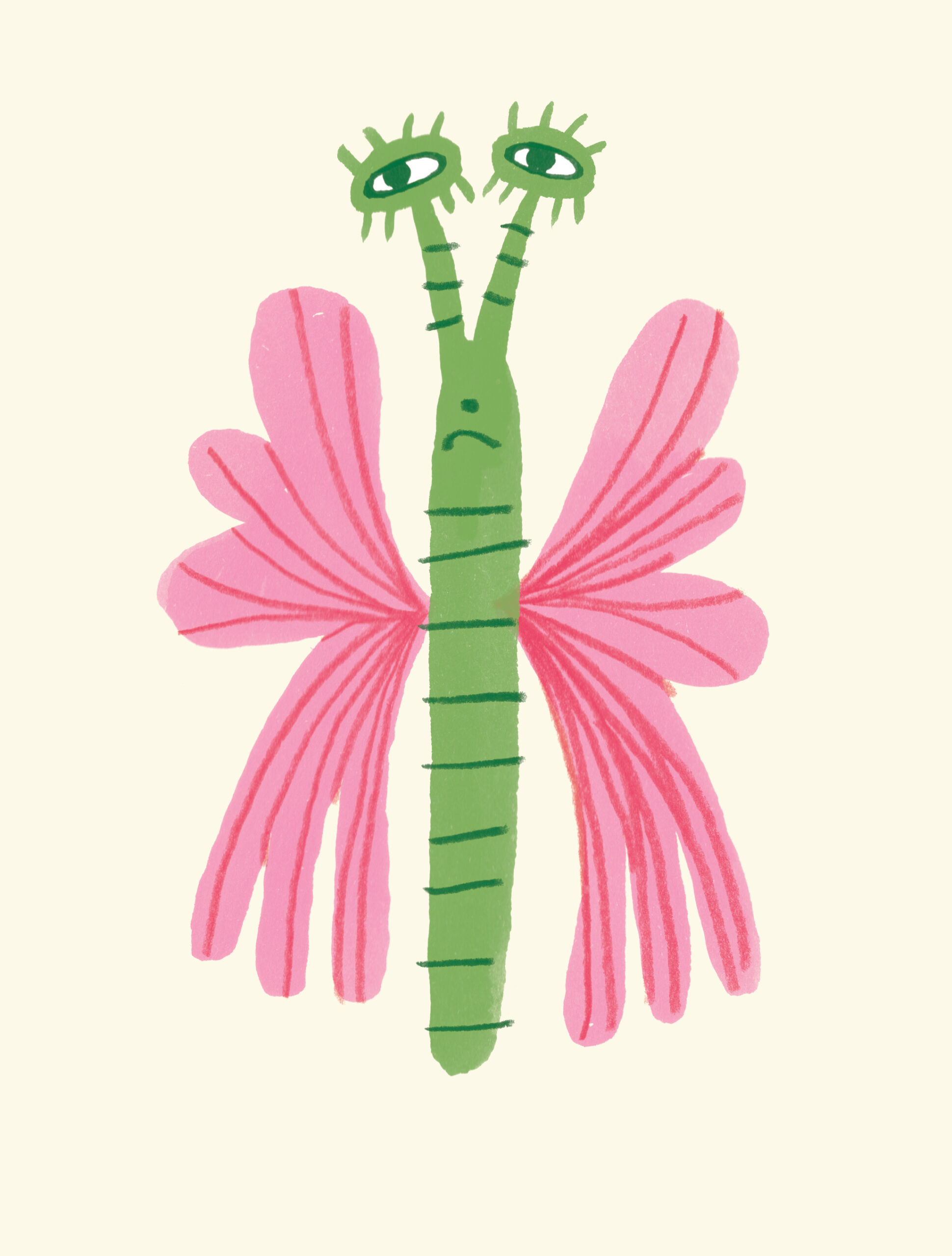
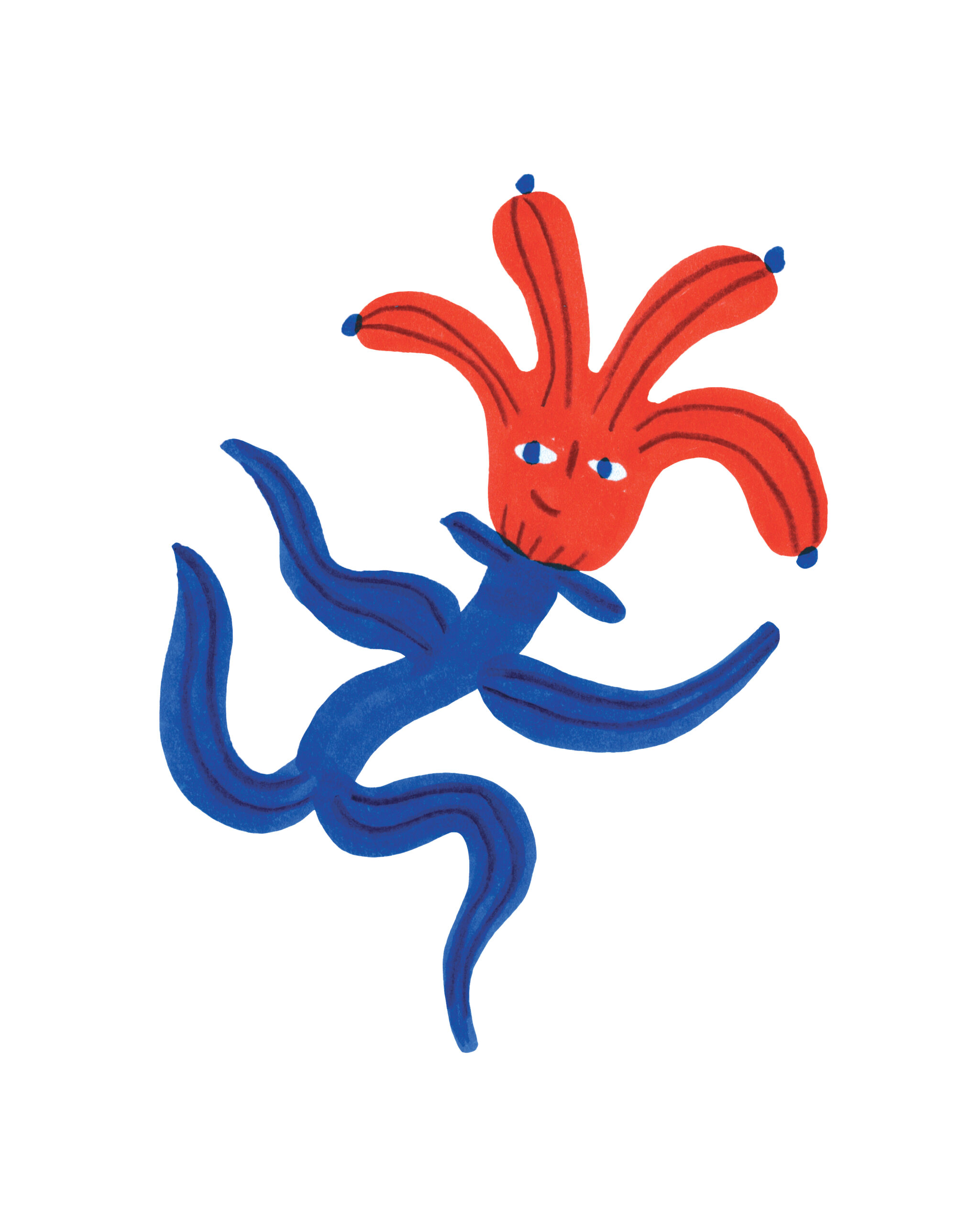
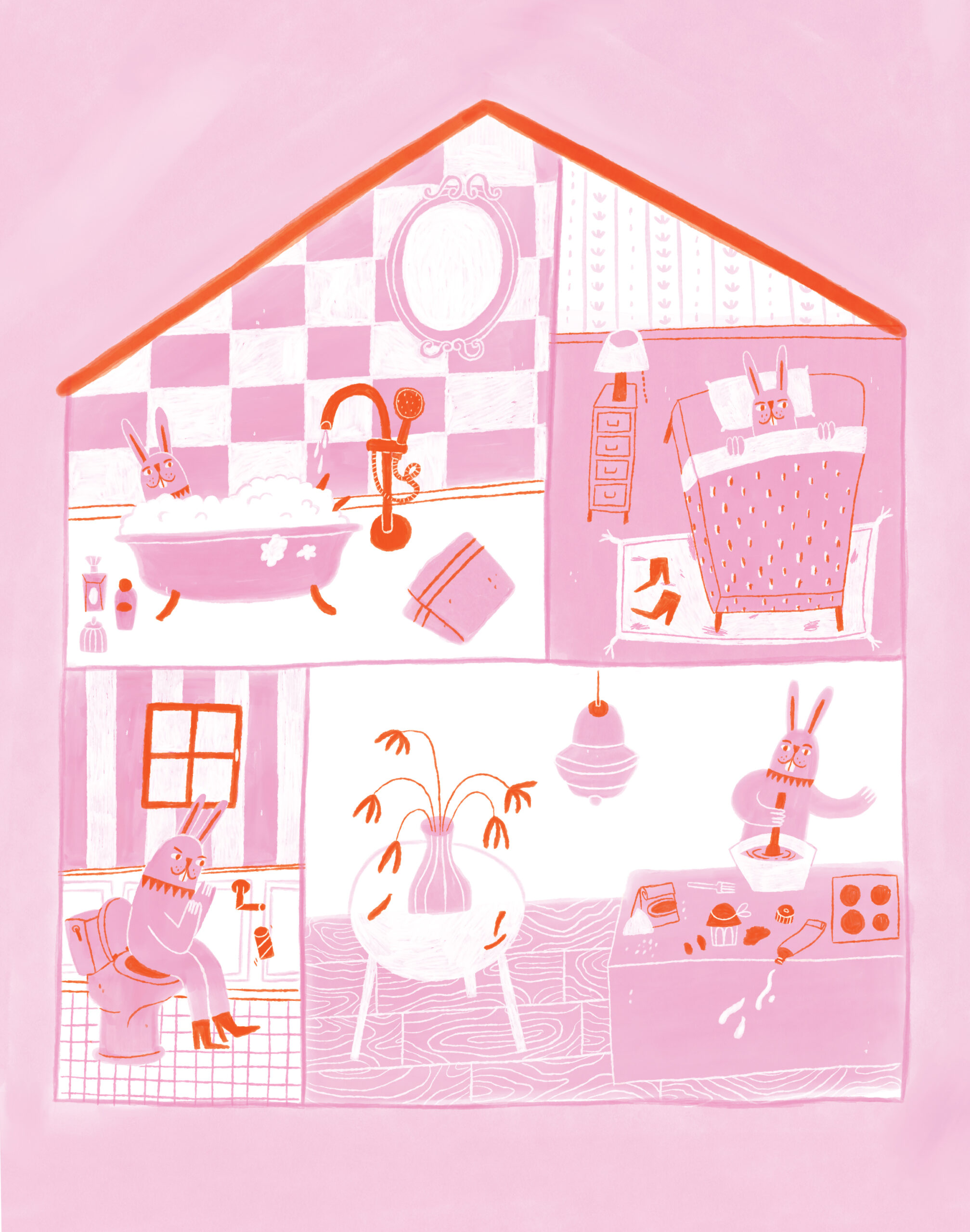
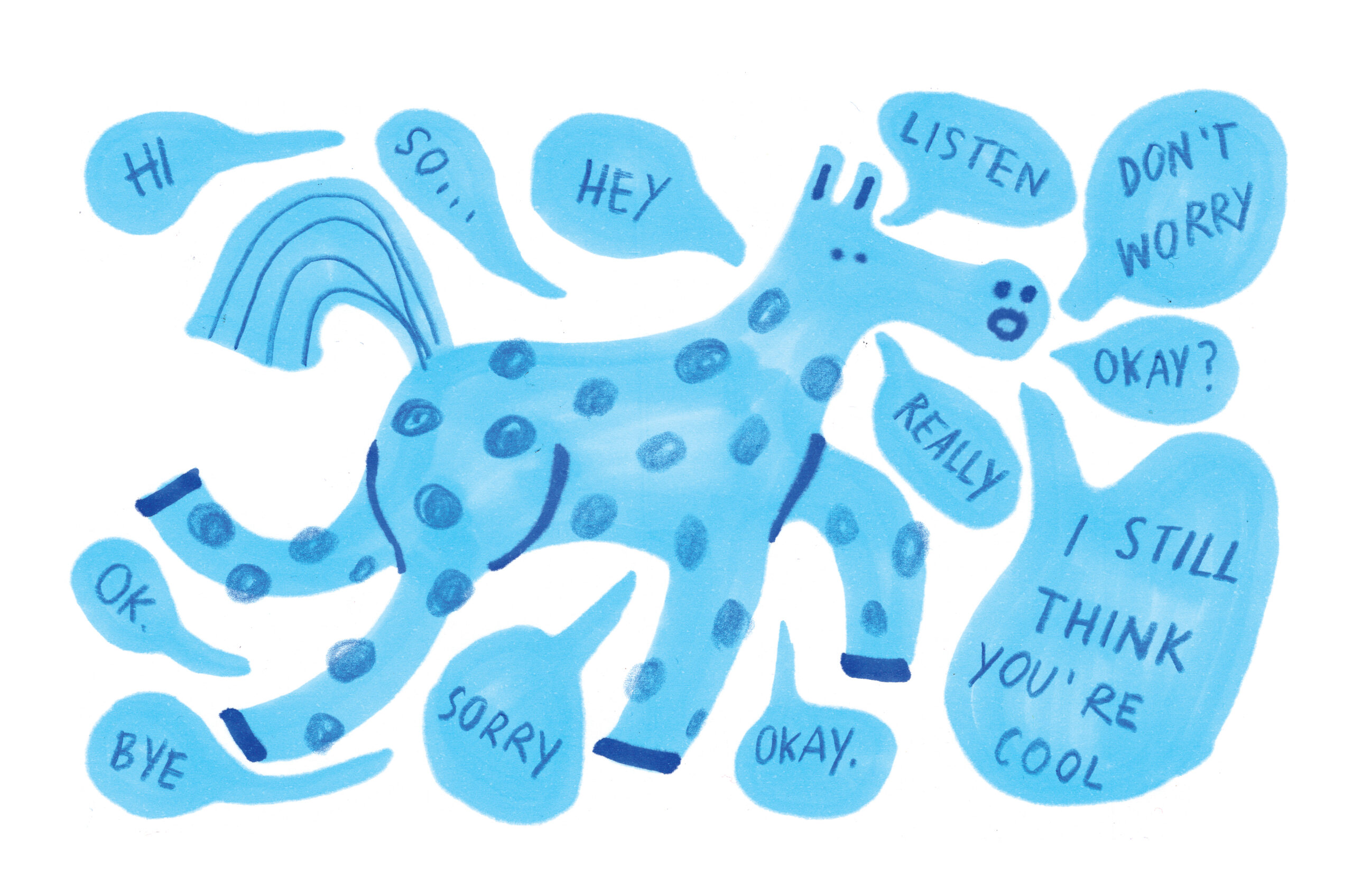
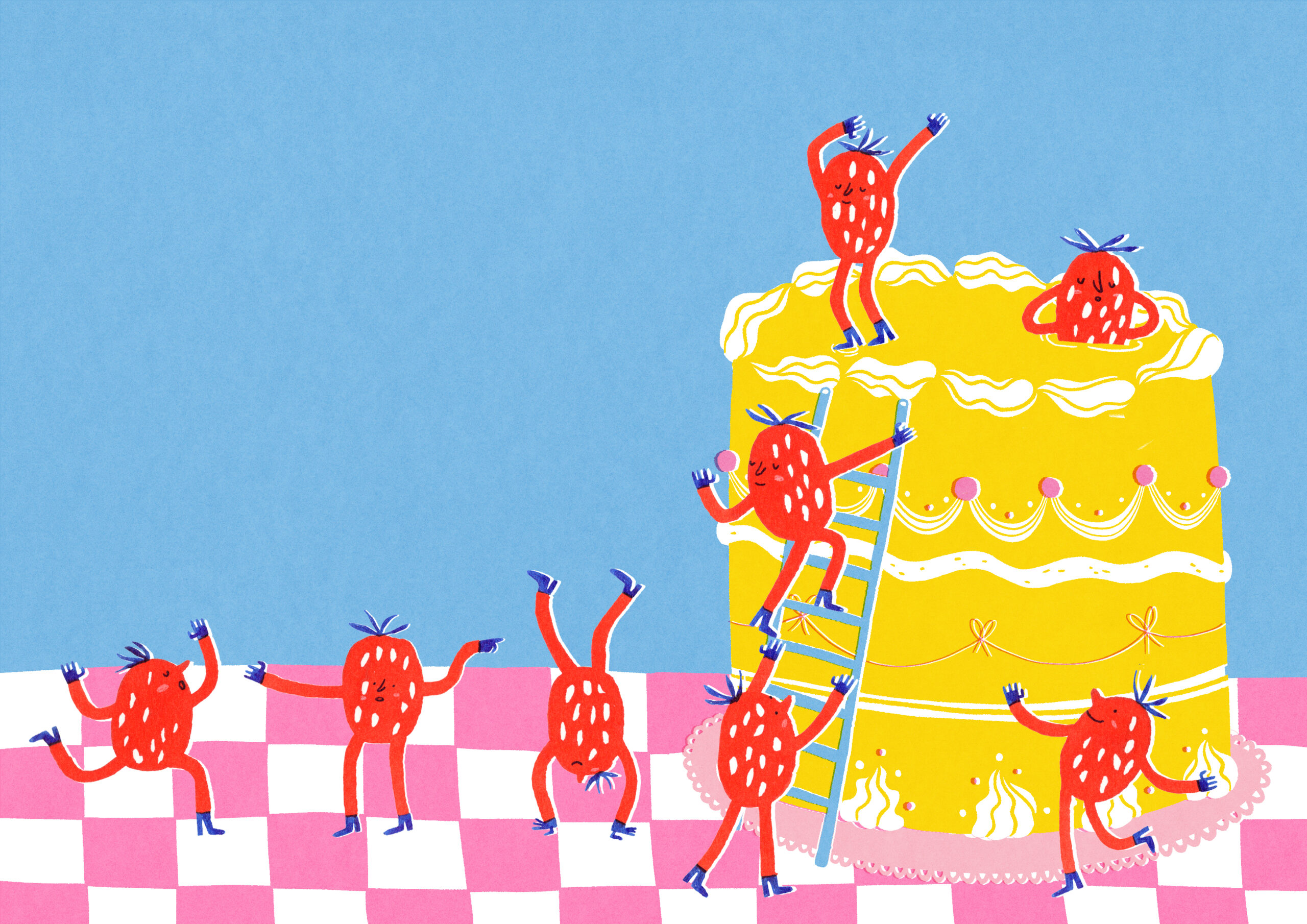
In truth, I had never asked myself this question. I do know, however, that I love drawing funny characters capable of evoking sympathy: animals, objects, or creatures with human traits. I often represent them with thoughtful or melancholy expressions. I like to imagine they have a story, a fragility, or a particular character trait. It is precisely this imperfection that makes them alive and, in my eyes, irresistible.
Looking at your path, what do you feel you have let go of to become the artist you are today, and what would you never change?
The world of illustration is full of talented people and wonderful projects. Because of this, it’s easy to fall into comparison. I am learning to let go of the idea of having to master every possible style and to focus on what truly belongs to me. What I would never change is the central role of traditional drawing in my creative process. I want to continue cultivating curiosity toward materials, because it is through them that I define my voice.
For you, is change something to control or something to let happen? And how does this idea enter your creative process?
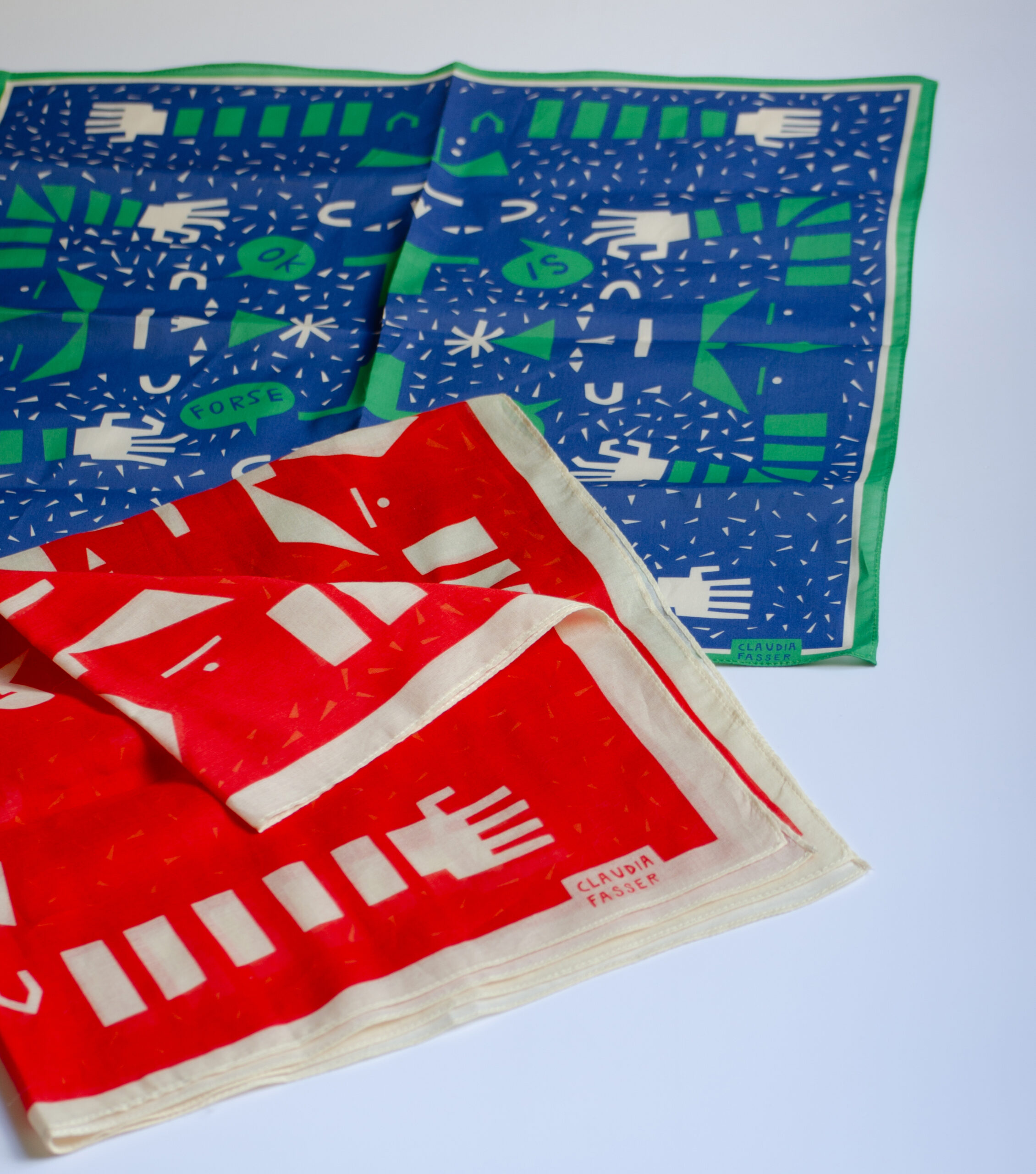
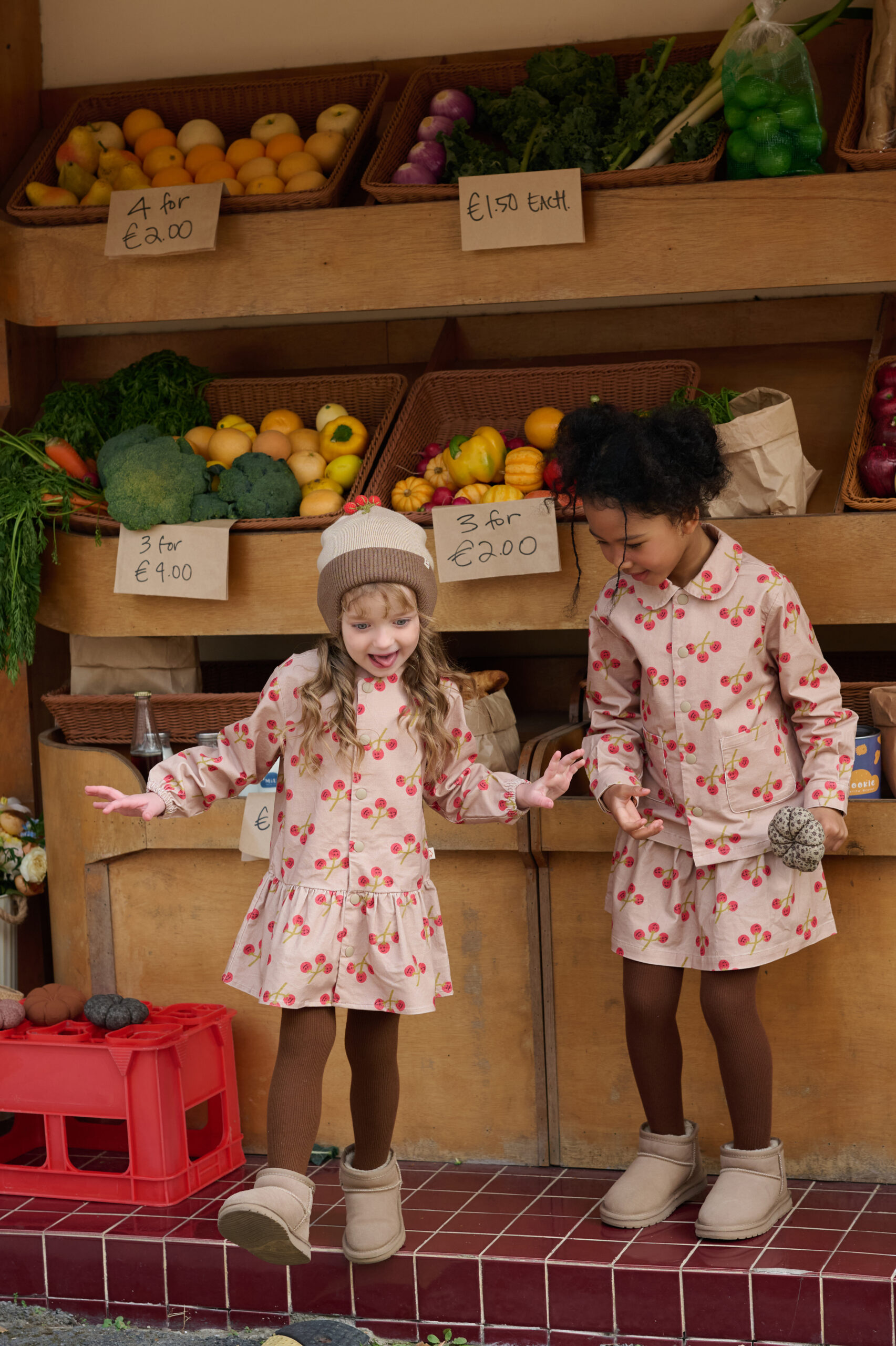
Instinctively, I would want to control everything, but I have learned that change must be welcomed. Working on commission, I often deal with requests that push me out of my visual habits. It’s a valuable challenge because it drives me to explore new directions. Lately, I am bringing my work closer to the world of children’s products, a universe rich in characters and narrative possibilities. Seeing an illustration come to life on a garment or a daily object is always thrilling. It is a field in which I hope to continue growing through new collaborations and projects.